
Programmes
Learn, discover and connect at Gotu
For experiential learning, plan a visit for the coming holidays.
The Waso Museum
The Waso Museum is part of the camp. Its sign carries three words: Discover. Learn. Connect.
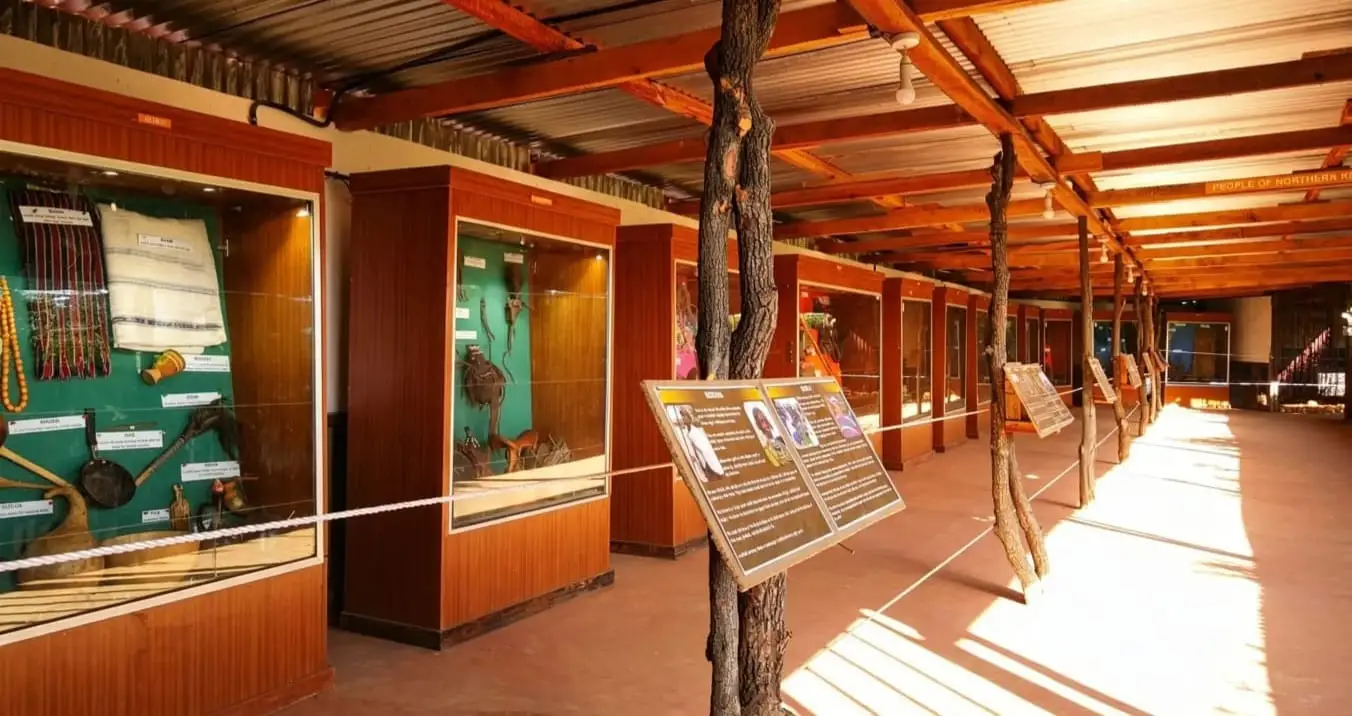
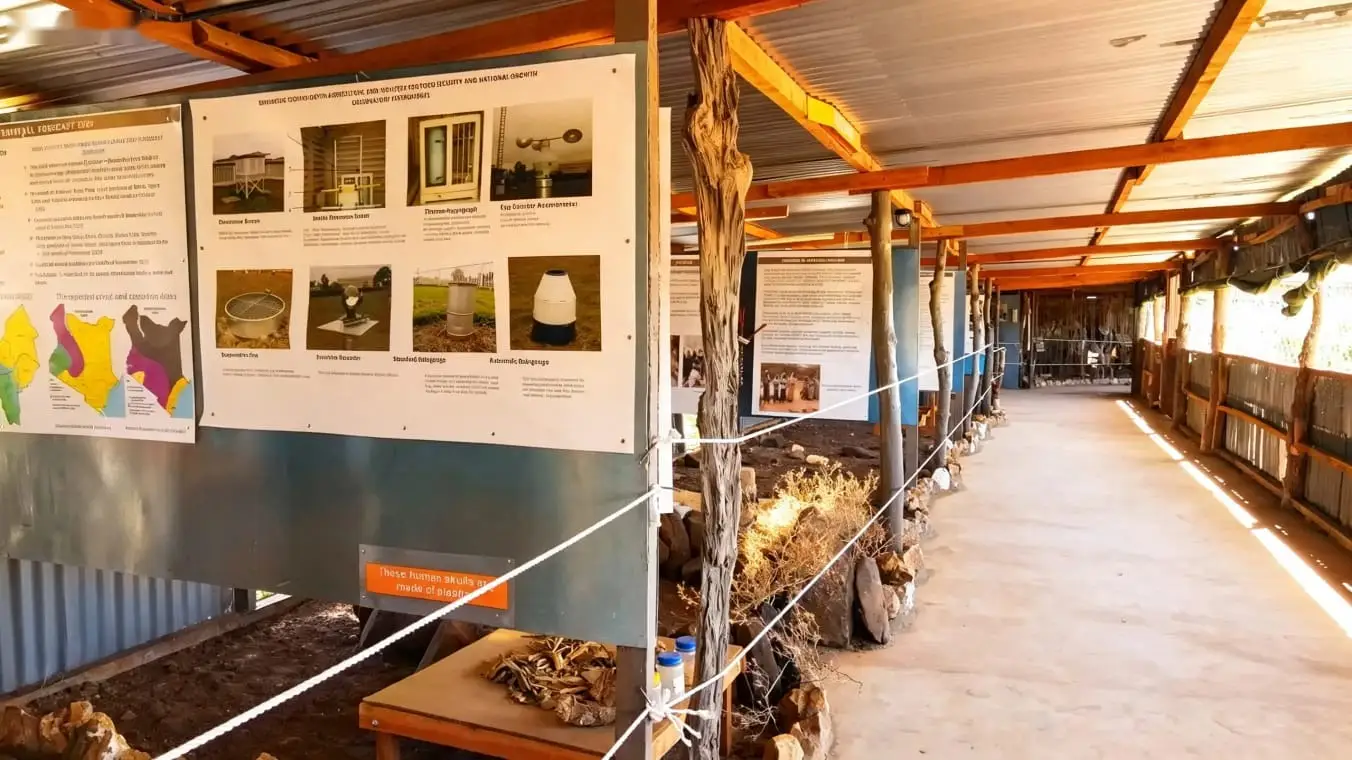
Glass cases hold traditional cloth, beadwork, gourds and tools. Boards along the covered corridors tell the story of subjects such as Indigenous Knowledge and Pastoral Livelihoods in Motion, and life-size animal models stand beside the path.
Visiting hours: [VISITING HOURS TBC]. Entry fee: [ENTRY FEE TBC].
Inside the museum
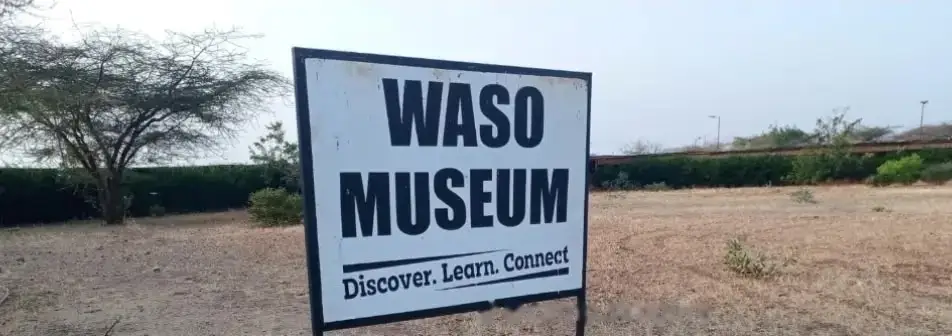
Waso Museum sign
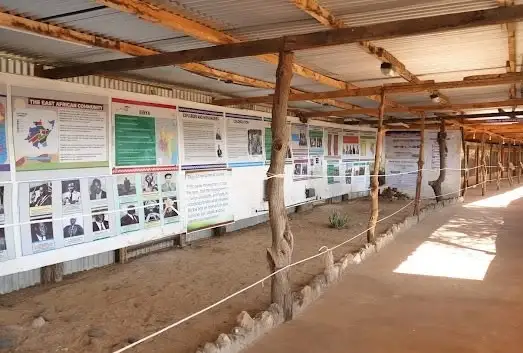
Waso Museum corridor
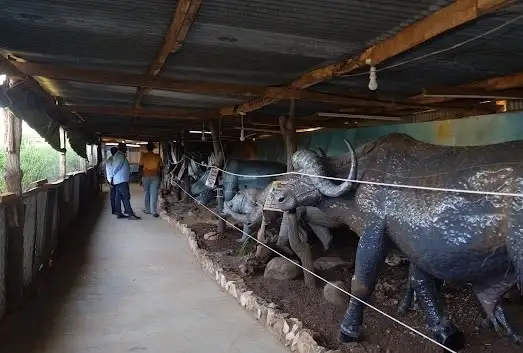
Waso Museum animal models
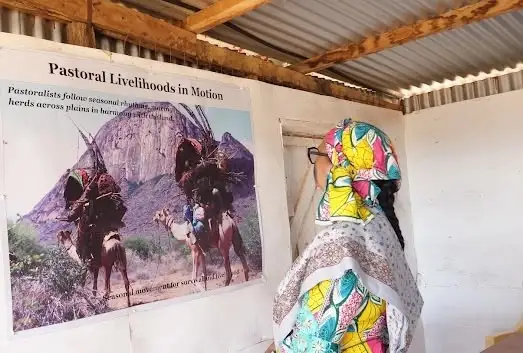
Pastoral Livelihoods in Motion board
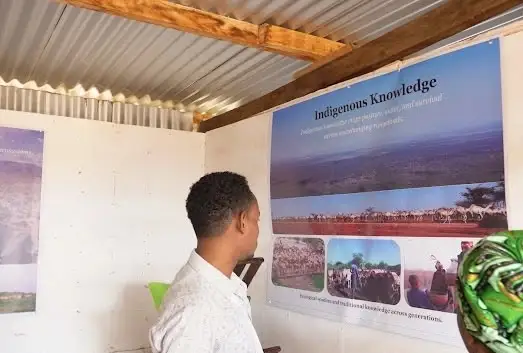
Indigenous Knowledge board
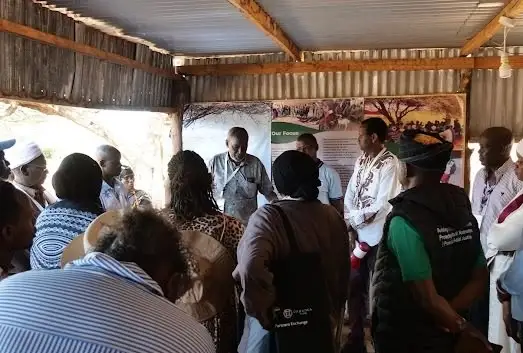
A guided visit to the museum
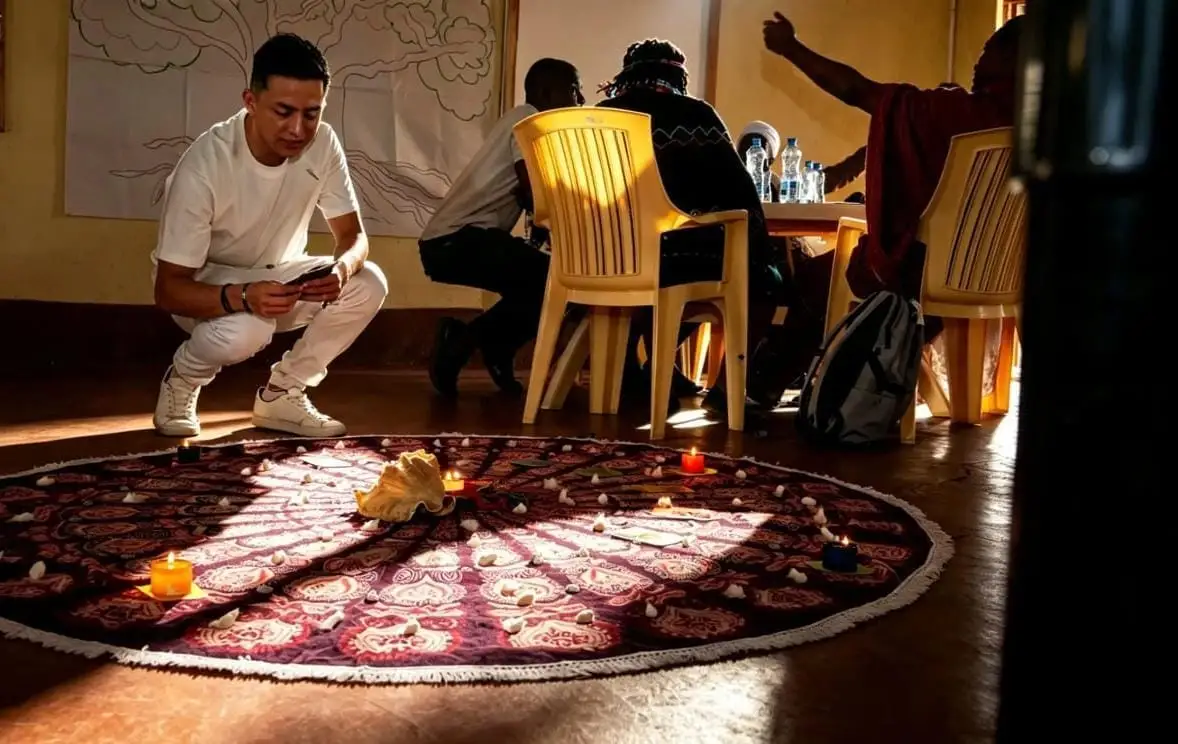
Culture and nature education
The camp hosts a culture and nature education programme, supported by Kivulini Trust. It is for children and youth.
Two highlights are the annual multi-ethnic Children's Cultural Show, and the regular gatherings of culture clubs from various schools at Camp Simpirre.
What children and youth learn
- Their mother tongue
- Values
- Indigenous knowledge
- Practices and skills
- Camping and outdoor experience
Programme dates and how to book a place: [PROGRAMME DATES TBC].
The greenbelt
The camp has an initiative to create a greenbelt, to restore the land and to grow a wider variety of food.
It is a patch of lush green vegetation where mango, banana, orange, tangerine, pawpaw, cassava, a few coffee trees and many indigenous and exotic plants grow.
At night, the chorus of singing toads gives away the dikdik dam. The dam supplies water to African hares, jackals, hyenas, baboons, gerenuks, snakes, warthogs, porcupines, insects and birds.
Guided walks: [GREENBELT VISIT DETAILS TBC].
Bring a group
Schools, culture clubs and youth groups can plan a learning visit. Tell us how many are coming and when, and we will reply.
Group sizes, programme length and prices: [GROUP PROGRAMME DETAILS TBC].
Enquire
Plan a learning visit
Tell us who is coming, how many, and when. We will reply with what is possible.
Message us on WhatsApp
WhatsApp: [WHATSAPP NUMBER TBC]Send an enquiry: Prefer to write it all down? Use the enquiry form on the Contact page. Open the enquiry form